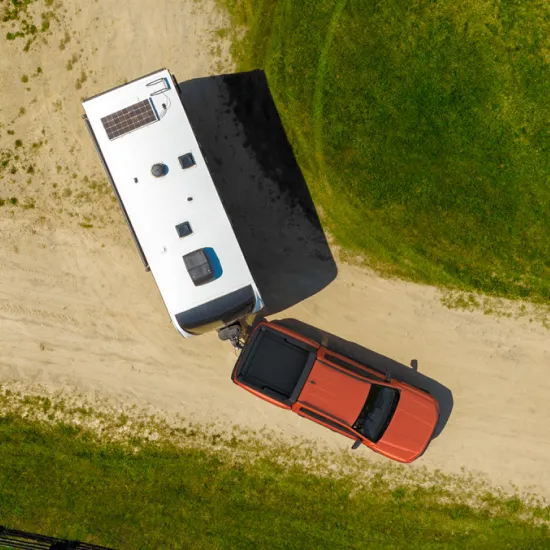
Towing & Carrying
Your guide to hauling with confidence
Towing & Carrying
Your guide to hauling with confidence
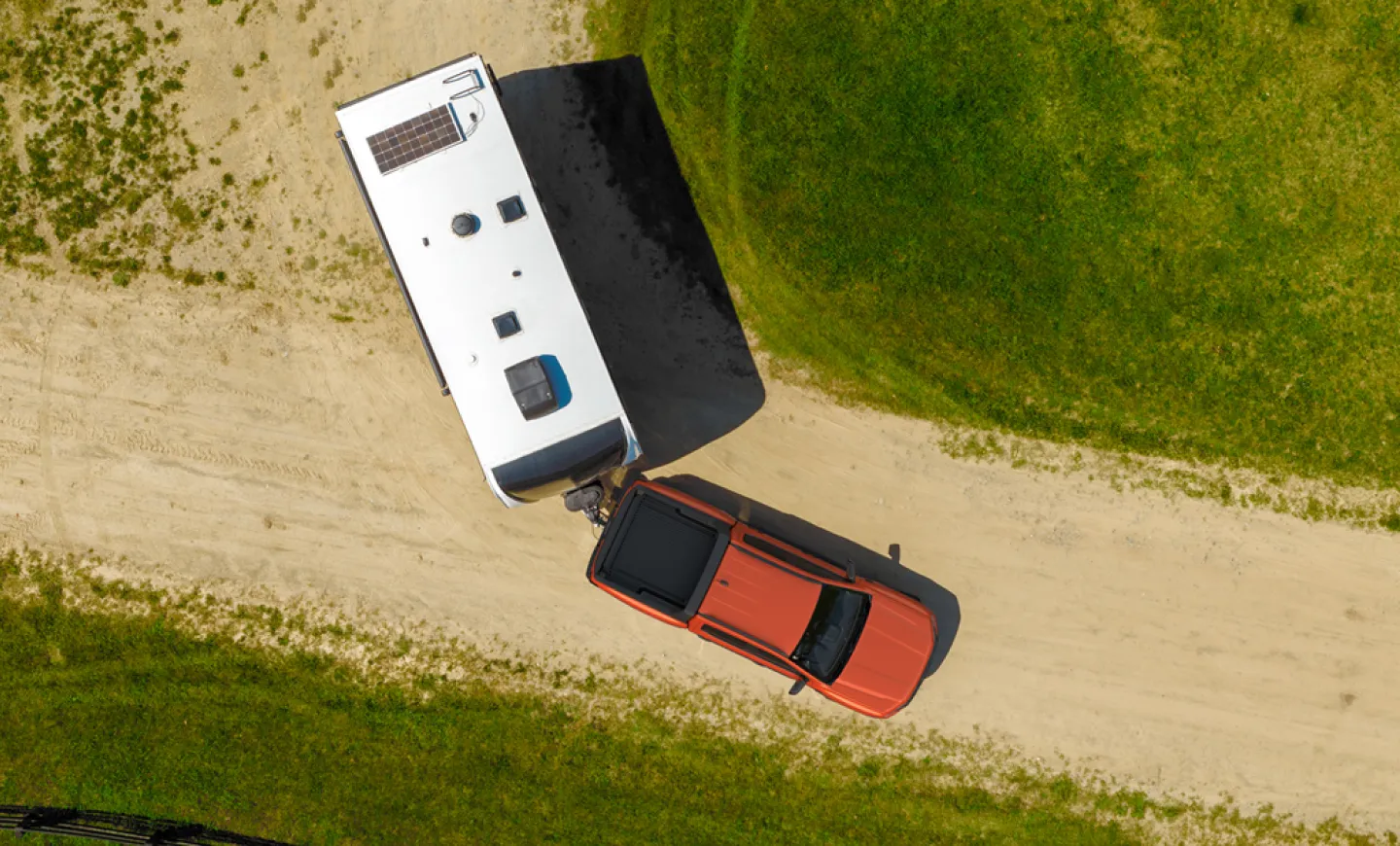
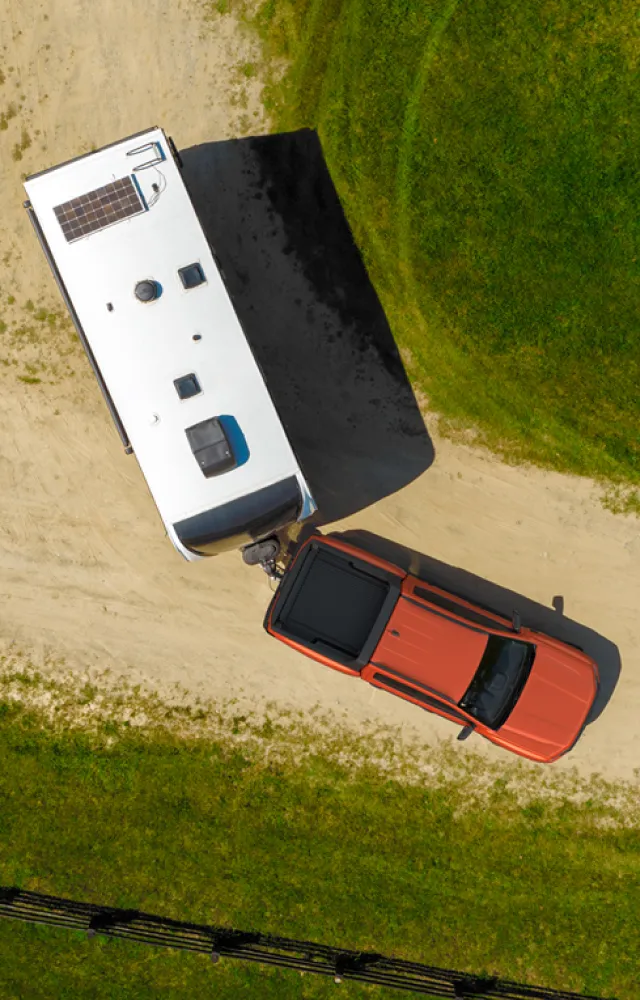
Your guide to hauling with confidence
Your guide to hauling with confidence
From job sites to campsites, we’re here to help carry the load.
This is your go-to guide for a smoother, safer towing and carrying experience.
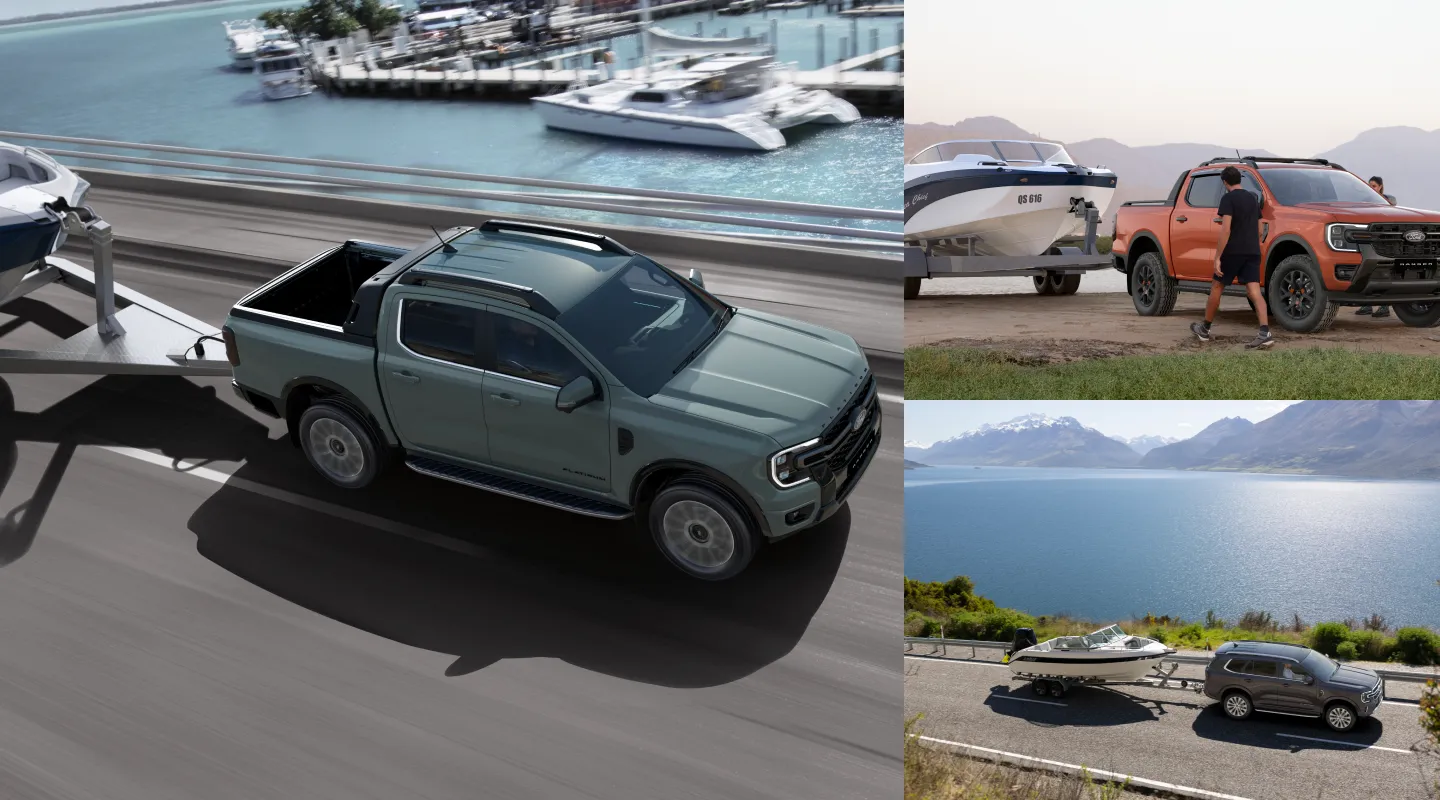
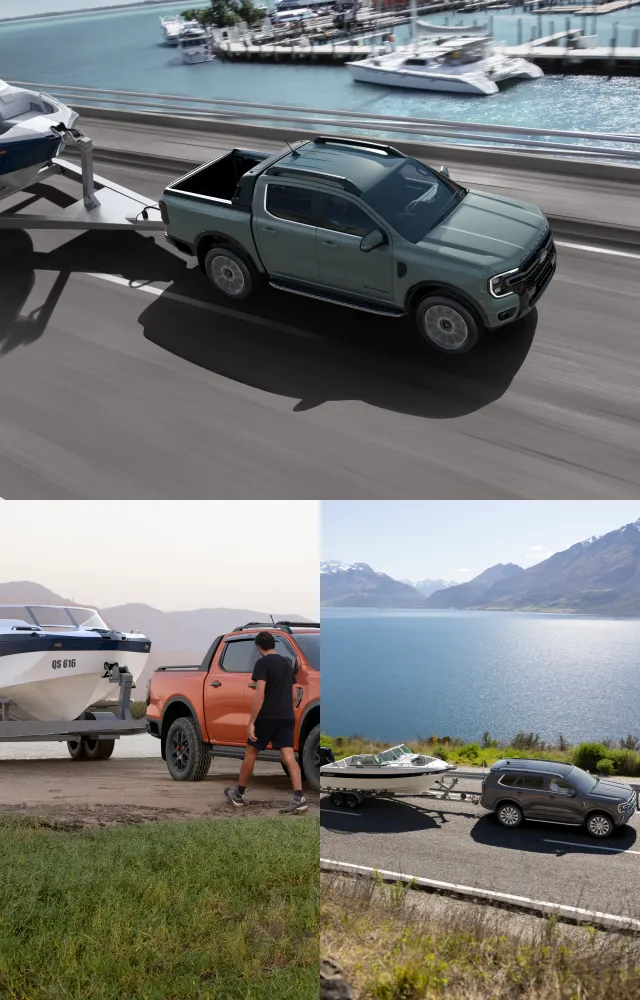
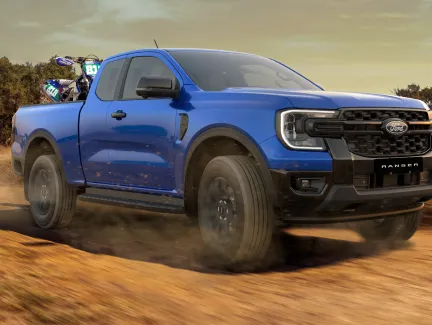
Towing capacity is the maximum weight that your vehicle can legally tow. Ensure you adhere to this capacity as overloading can put excessive stress on your engine, chassis, brakes and other components.
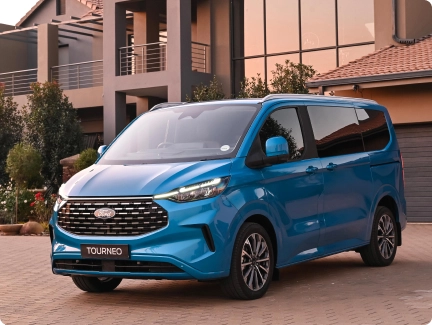
It is vital to stick to your vehicle's maximum allowed carrying weight (GVM), or when you’re carrying a trailer, the combined weight limit (GCM). This requires carefully managing your payload, axle loads, and overall towing capacity.
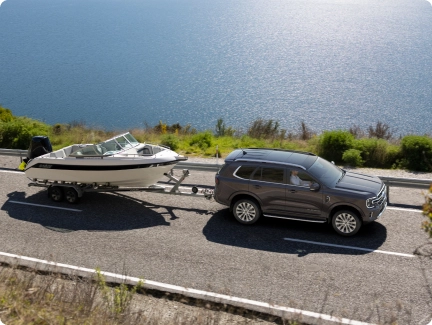
Exceeding vehicle weight limits can compromise vehicle control, affecting your braking distance and stability, especially in emergency situations. Plus, it puts extra stress on your tyres and suspension.
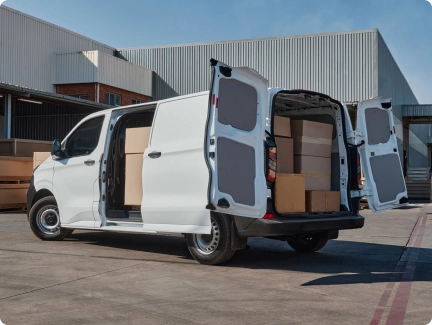
Overloading your vehicle puts excessive stress on the engine and transmission, which can sacrifice your vehicle’s performance. It can also lead to decreased fuel efficiency and accelerated wear-and-tear on critical components, shortening their lifespan.
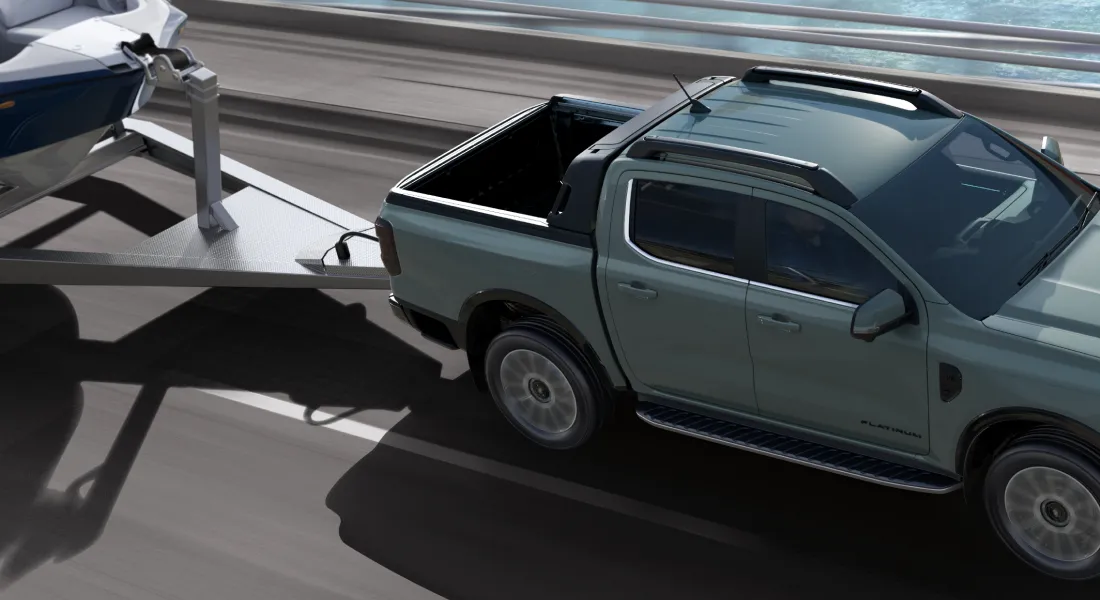
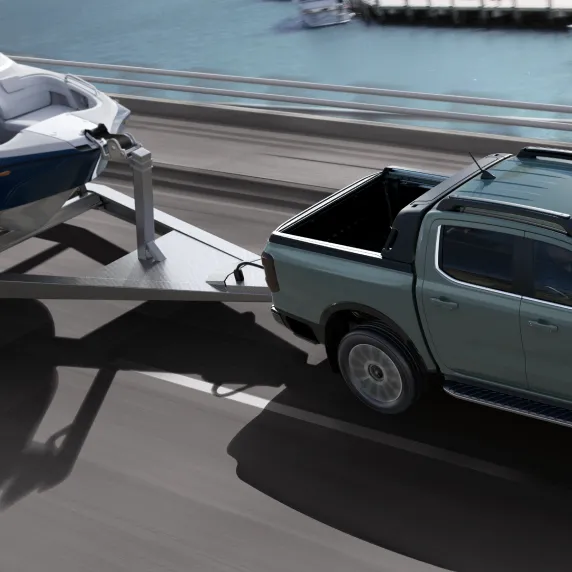
Heavy items should be loaded in the tray as low and close to the front as possible. Lighter items can be loaded higher up. Do not exceed your overall payload limit and reduce weight if necessary or consider using a trailer.
To load your vehicle properly, distribute the load evenly across your vehicle to ensure you do not overload the front and rear axles. Secure your load well so it does not shift during driving.
Distribute weight within the trailer with heavier items placed over the wheel/axle to achieve an even balance. Consider the impact of the Trailer Nose Weight on your vehicle’s payload when hitched.

Towing changes everything. Stick to safe speeds and slow down in poor conditions. It’s not just the law. It’s what keeps your trailer steady and your trip safer.
No sharp moves. Brake early, steer smoothly and give yourself space from the car ahead. If swaying starts, ease off the throttle. There’s no need to slam the brakes.

Even if you don’t tow often, you should keep your vehicle and trailer in check. Be sure to follow regular logbook servicing for your vehicle and the servicing requirements for what you are towing.
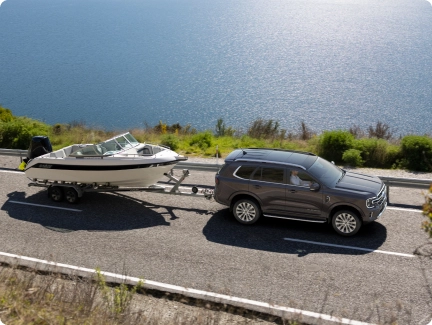
When towing in tough conditions, sway can happen. This feature applies braking and engine control to help keep your trailer steady and you feeling in control.
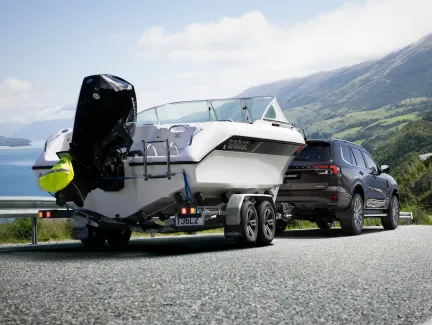
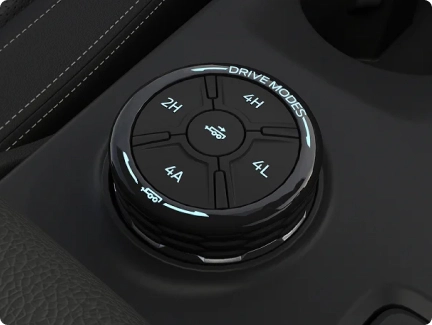
Activating the drive mode helps your vehicle handle towing with ease by adjusting gear shifts and engine braking. Especially useful on long climbs or descents.
Reversing with a trailer doesn’t have to be stressful. Just turn a knob on your centre console in the direction you want the trailer to go, and your Ford does the rest.
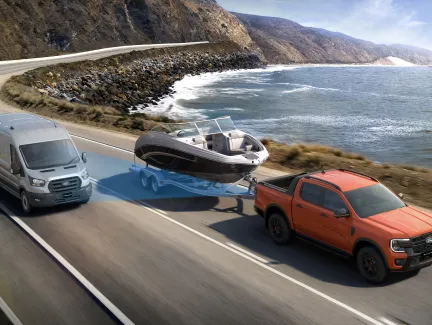
Changing lanes while towing can be tricky. Blind Spot Information System with Trailer Coverage extends detection to include the length of your trailer, giving you more awareness and confidence on the road.

Hooking up your trailer solo? This feature provides visual guidance on your touchscreen to help line up your tow ball, saving time and guesswork.
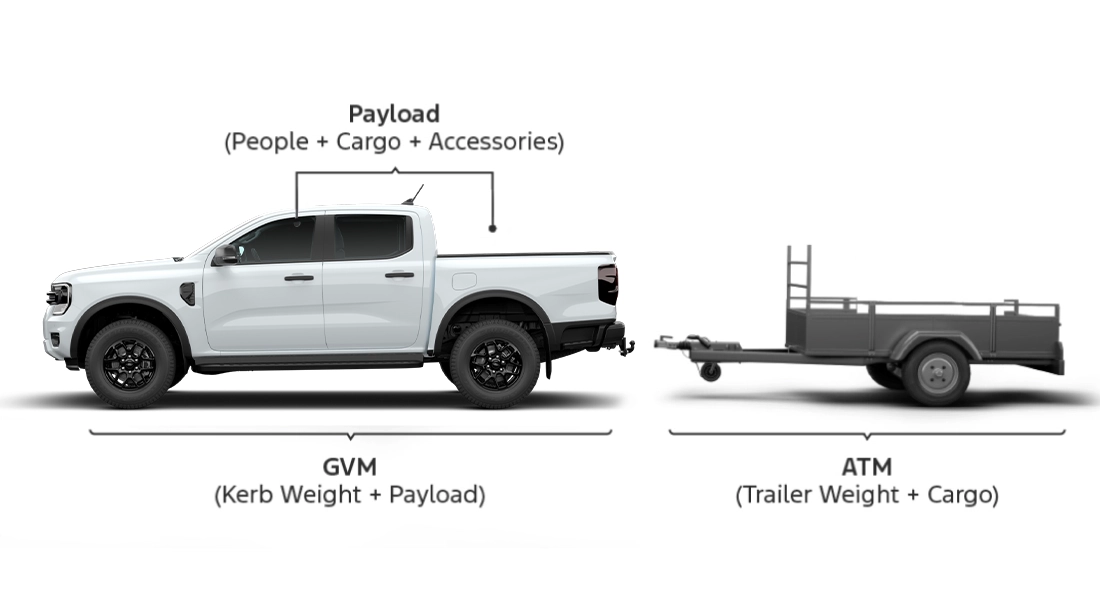
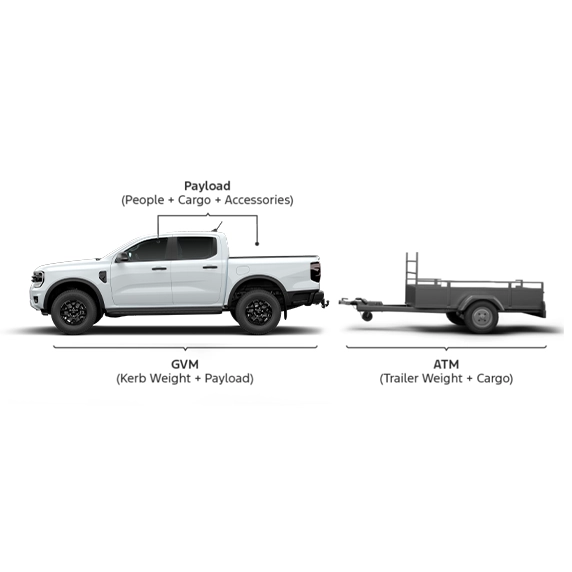
The weight of the vehicle as it’s ready to drive, with a full tank of fuel and all essential fluids, but without any passengers, cargo or any accessory or other aftermarket additions.
Min Kerb Weight: the weight of the base vehicle ready to drive, with no factory options added, with a full tank of fuel and essential fluids.
Max Kerb Weight: the weight of the base vehicle with all factory options added, full tank of fuel and all essential fluids.
The weight of the vehicle as it’s ready to drive, with a full tank of fuel and all essential fluids, but without any passengers, cargo or any accessory or other aftermarket additions.
Min Kerb Weight: the weight of the base vehicle ready to drive, with no factory options added, with a full tank of fuel and essential fluids.
Max Kerb Weight: the weight of the base vehicle with all factory options added, full tank of fuel and all essential fluids.
Vehicle: refers to the goods, luggage or equipment being carried in the vehicle. It is part of the overall payload and contributes to the total weight of the vehicle.
Trailer: refers to the load or anything else being towed in the trailer.
The total weight of a trailer when fully loaded, including its own weight plus everything it is carrying when the trailer is not connected to a towing vehicle.
The weight of the vehicle as it’s ready to drive, with a full tank of fuel and all essential fluids, but without any passengers, cargo or any accessory or other aftermarket additions.
Min Kerb Weight: the weight of the base vehicle ready to drive, with no factory options added, with a full tank of fuel and essential fluids.
Max Kerb Weight: the weight of the base vehicle with all factory options added, full tank of fuel and all essential fluids.
The weight of the vehicle as it’s ready to drive, with a full tank of fuel and all essential fluids, but without any passengers, cargo or any accessory or other aftermarket additions.
Min Kerb Weight: the weight of the base vehicle ready to drive, with no factory options added, with a full tank of fuel and essential fluids.
Max Kerb Weight: the weight of the base vehicle with all factory options added, full tank of fuel and all essential fluids.
Vehicle: refers to the goods, luggage or equipment being carried in the vehicle. It is part of the overall payload and contributes to the total weight of the vehicle.
Trailer: refers to the load or anything else being towed in the trailer.
The total weight of a trailer when fully loaded, including its own weight plus everything it is carrying when the trailer is not connected to a towing vehicle.
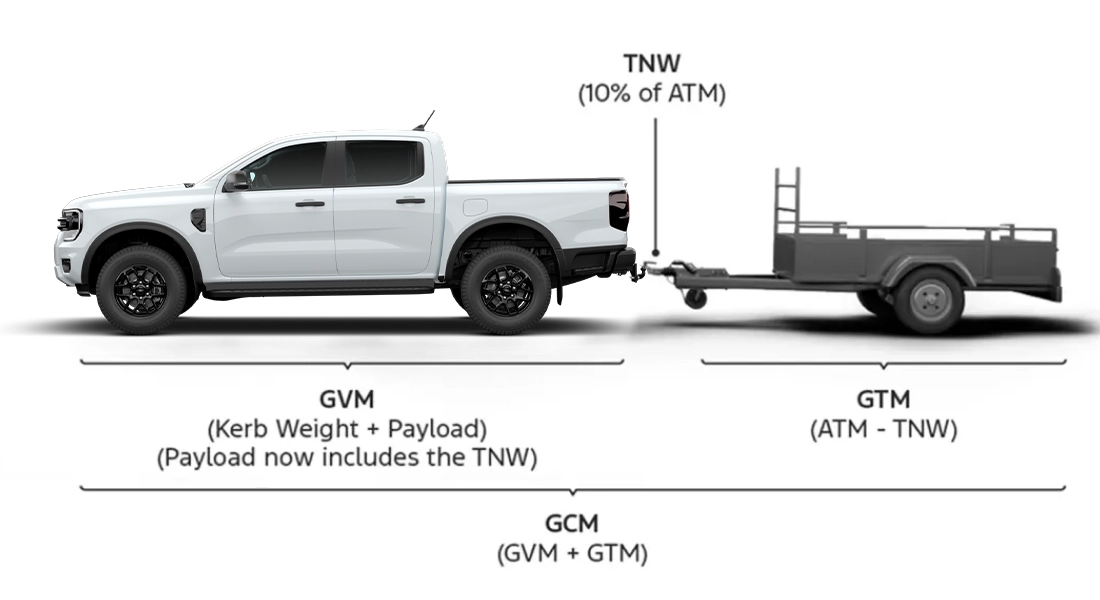
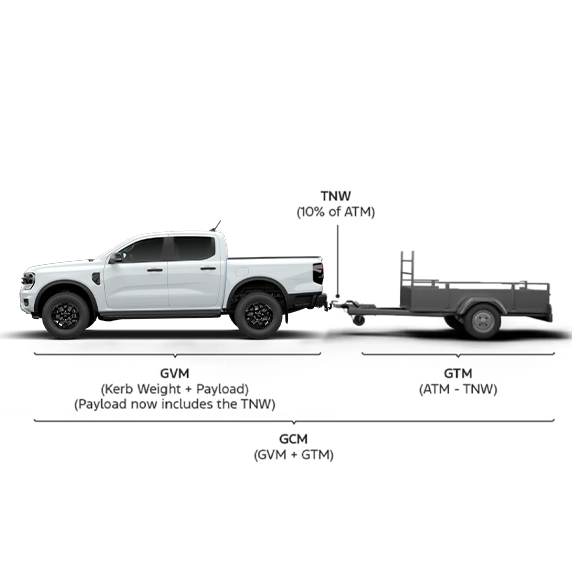
Sometimes referred to as Towball Downforce Weight, this is the amount of weight the trailer exerts downwards on the vehicle’s tow ball. This is typically about 10% of the trailer’s total weight when fully loaded4.
This is the total weight of the trailer when full loaded and hitched to the vehicle, minus the Trailer Nose Weight (TNW), since the TNW is supported by the towing vehicle.
The maximum total weight of the vehicle and trailer when they are attached and fully loaded. It includes everything: the vehicle, passengers, cargo, the trailer, and its load.
Sometimes referred to as Towball Downforce Weight, this is the amount of weight the trailer exerts downwards on the vehicle’s tow ball. This is typically about 10% of the trailer’s total weight when fully loaded4.
This is the total weight of the trailer when full loaded and hitched to the vehicle, minus the Trailer Nose Weight (TNW), since the TNW is supported by the towing vehicle.
The maximum total weight of the vehicle and trailer when they are attached and fully loaded. It includes everything: the vehicle, passengers, cargo, the trailer, and its load.
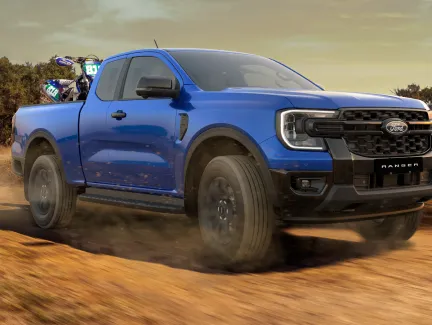
3,500kg braked towing capacity so you can live the Ranger live.
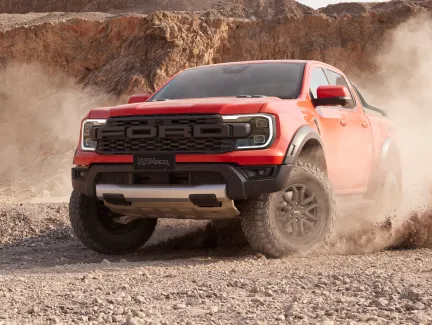
2,500kg braked towing capacity so you can live the Ranger live.
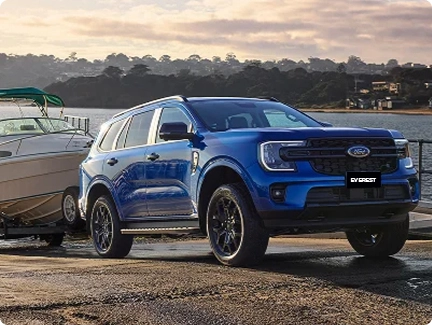
Live at your peak with 3,500kg of towing capacity.
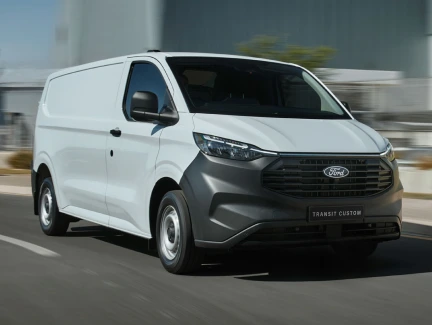
A van that delivers with 2,500kg braked towing capacity.
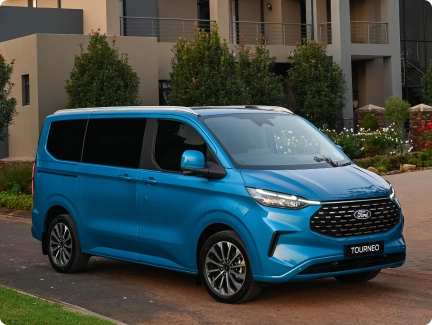
Feel at home, on the road, with 2,500kg braked towing capacity.
The information contained in this website is an overview intended for awareness purposes only. Visuals may show specifications, accessories and options not available in South Africa. Left-hand drive models may be shown for illustration purposes only.
All information, specifications and illustrations are based on the latest product information available at the time of publication. FMCSA reserves the right to make changes at any time, without notice, to the colours, material, equipment, specifications and models, and is not responsible for typographical errors. Such changes may affect vehicle pricing and vehicle content. All prices shown are recommended retail prices, which are not binding on FMCSA or the Dealer network. The recommended retail price includes VAT and Environment Tax (Environment Tax includes CO2 Emission Tax and Tyre Tax) but excludes Dealer delivery and related charges.
The declared fuel consumption and CO2 emission figures were achieved during technical laboratory testing in accordance with the legislated technical specifications (SANS 20101: 2006 / ECE R101: 2005). Fuel consumption and CO2 emissions figures are used to compare different vehicle types under uniform conditions and are not necessarily indicative of real-life driving conditions. Note that the actual fuel consumption and emissions levels will depend on many factors, including individual driving habits, prevailing conditions and vehicle equipment, condition and use.
Please contact your nearest approved Dealer or the Customer Relations Centre to confirm specific features, applicable terms and the non-binding retail prices of vehicles recommended by FMCSA in effect at the time of purchase.
Zone Lighting standard on V6 Wildtrak and Platinum derivatives.
Not all SYNC® 4 features are compatible with all smartphones.
The information contained in this website is an overview intended for awareness purposes only. Visuals may show specifications, accessories and options not available in South Africa. Left-hand drive models may be shown for illustration purposes only.
All information, specifications and illustrations are based on the latest product information available at the time of publication. FMCSA reserves the right to make changes at any time, without notice, to the colours, material, equipment, specifications and models, and is not responsible for typographical errors. Such changes may affect vehicle pricing and vehicle content. All prices shown are recommended retail prices, which are not binding on FMCSA or the Dealer network. The recommended retail price includes VAT and Environment Tax (Environment Tax includes CO2 Emission Tax and Tyre Tax) but excludes Dealer delivery and related charges.
The declared fuel consumption and CO2 emission figures were achieved during technical laboratory testing in accordance with the legislated technical specifications (SANS 20101: 2006 / ECE R101: 2005). Fuel consumption and CO2 emissions figures are used to compare different vehicle types under uniform conditions and are not necessarily indicative of real-life driving conditions. Note that the actual fuel consumption and emissions levels will depend on many factors, including individual driving habits, prevailing conditions and vehicle equipment, condition and use.
Please contact your nearest approved Dealer or the Customer Relations Centre to confirm specific features, applicable terms and the non-binding retail prices of vehicles recommended by FMCSA in effect at the time of purchase.
Zone Lighting standard on V6 Wildtrak and Platinum derivatives.
Not all SYNC® 4 features are compatible with all smartphones.
The information contained in this website is an overview intended for awareness purposes only. Visuals may show specifications, accessories and options not available in South Africa. Left-hand drive models may be shown for illustration purposes only.
All information, specifications and illustrations are based on the latest product information available at the time of publication. FMCSA reserves the right to make changes at any time, without notice, to the colours, material, equipment, specifications and models, and is not responsible for typographical errors. Such changes may affect vehicle pricing and vehicle content. All prices shown are recommended retail prices, which are not binding on FMCSA or the Dealer network. The recommended retail price includes VAT and Environment Tax (Environment Tax includes CO2 Emission Tax and Tyre Tax) but excludes Dealer delivery and related charges.
The declared fuel consumption and CO2 emission figures were achieved during technical laboratory testing in accordance with the legislated technical specifications (SANS 20101: 2006 / ECE R101: 2005). Fuel consumption and CO2 emissions figures are used to compare different vehicle types under uniform conditions and are not necessarily indicative of real-life driving conditions. Note that the actual fuel consumption and emissions levels will depend on many factors, including individual driving habits, prevailing conditions and vehicle equipment, condition and use.
Please contact your nearest approved Dealer or the Customer Relations Centre to confirm specific features, applicable terms and the non-binding retail prices of vehicles recommended by FMCSA in effect at the time of purchase.
Zone Lighting standard on V6 Wildtrak and Platinum derivatives.
Not all SYNC® 4 features are compatible with all smartphones.
The information contained in this website is an overview intended for awareness purposes only. Visuals may show specifications, accessories and options not available in South Africa. Left-hand drive models may be shown for illustration purposes only.
All information, specifications and illustrations are based on the latest product information available at the time of publication. FMCSA reserves the right to make changes at any time, without notice, to the colours, material, equipment, specifications and models, and is not responsible for typographical errors. Such changes may affect vehicle pricing and vehicle content. All prices shown are recommended retail prices, which are not binding on FMCSA or the Dealer network. The recommended retail price includes VAT and Environment Tax (Environment Tax includes CO2 Emission Tax and Tyre Tax) but excludes Dealer delivery and related charges.
The declared fuel consumption and CO2 emission figures were achieved during technical laboratory testing in accordance with the legislated technical specifications (SANS 20101: 2006 / ECE R101: 2005). Fuel consumption and CO2 emissions figures are used to compare different vehicle types under uniform conditions and are not necessarily indicative of real-life driving conditions. Note that the actual fuel consumption and emissions levels will depend on many factors, including individual driving habits, prevailing conditions and vehicle equipment, condition and use.
Please contact your nearest approved Dealer or the Customer Relations Centre to confirm specific features, applicable terms and the non-binding retail prices of vehicles recommended by FMCSA in effect at the time of purchase.
Zone Lighting standard on V6 Wildtrak and Platinum derivatives.
Not all SYNC® 4 features are compatible with all smartphones.