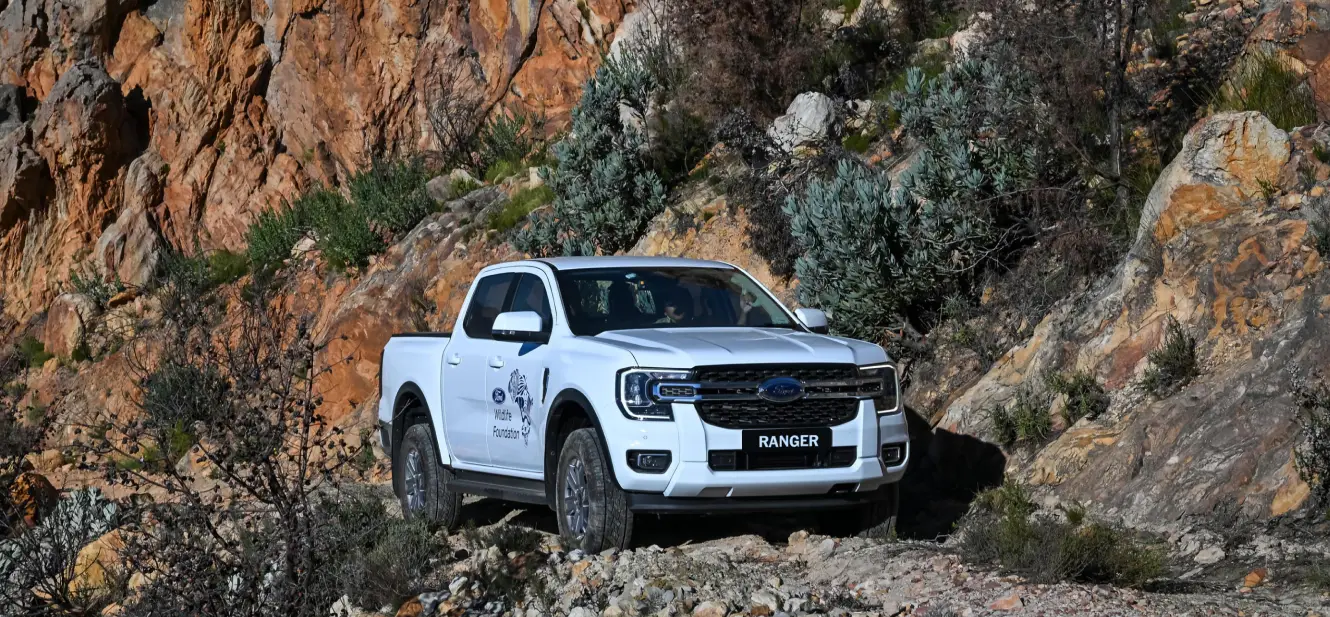
Ford's commitment to environmental support in Southern Africa spans over 30 years, with the Ford Wildlife Foundation (FWF) officially launching in November 2014. Today, the FWF has a significant presence, supporting a total of 29 projects. These initiatives are primarily located across various biomes in South Africa, with 28 projects, and an additional project dedicated to conservation efforts in Mozambique.
The FWF's strategy is built on three core pillars: Conservation, Environmental Education, and Research, aiming for a comprehensive approach to environmental health. By focusing on endangered species and preserving diverse flora and fauna, the Foundation seeks to make a tangible, sustainable, and long-term difference. A key aspect of their work is integrating community and education, believing that education is vital for sustainable conservation. Most FWF projects include a community or education component, empowering local communities to actively participate in protecting their environment and ensuring South Africa’s unique natural heritage is safeguarded for future generations.
Ford's commitment to environmental support in Southern Africa spans over 30 years, with the Ford Wildlife Foundation (FWF) officially launching in November 2014. Today, the FWF has a significant presence, supporting a total of 29 projects. These initiatives are primarily located across various biomes in South Africa, with 28 projects, and an additional project dedicated to conservation efforts in Mozambique.
The FWF's strategy is built on three core pillars: Conservation, Environmental Education, and Research, aiming for a comprehensive approach to environmental health. By focusing on endangered species and preserving diverse flora and fauna, the Foundation seeks to make a tangible, sustainable, and long-term difference. A key aspect of their work is integrating community and education, believing that education is vital for sustainable conservation. Most FWF projects include a community or education component, empowering local communities to actively participate in protecting their environment and ensuring South Africa’s unique natural heritage is safeguarded for future generations.