The Ford Wildlife Foundation (FWF) continues to support the Cape Leopard Trust (CLT), a leading environmental NGO dedicated to conserving leopards and promoting biodiversity across the Western Cape. Since its founding in 2004 to study the elusive leopards of the Cederberg, the CLT has grown into a respected organisation focused on three core pillars: research, conservation, and environmental education. Using advanced camera trap technology and rigorous scientific analysis, the organisation monitors leopard populations across key areas such as the Boland Mountain Complex, a long-term research site covering roughly 2,500 km2. The data collected contributes to important biodiversity databases and helps inform conservation policy at both regional and national levels.
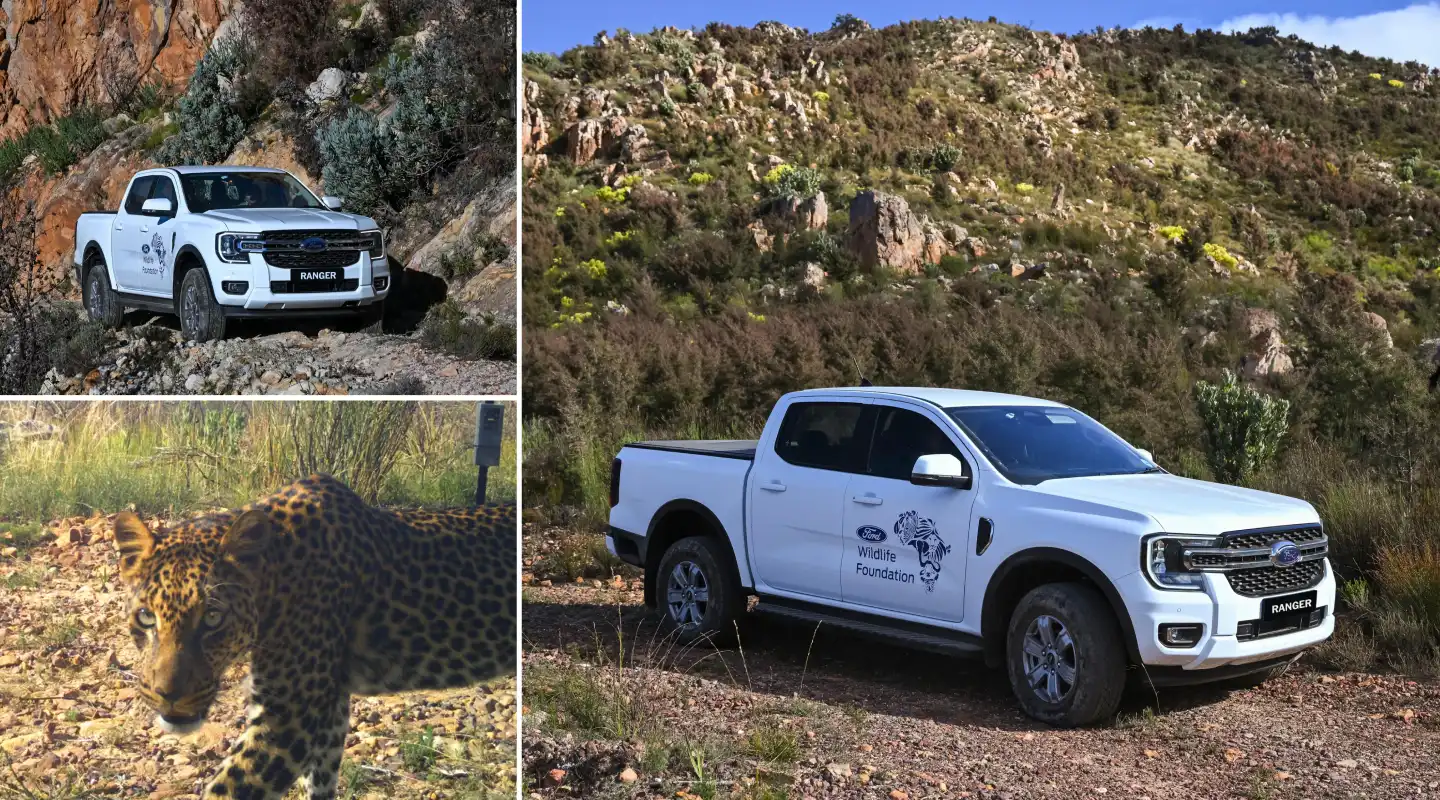
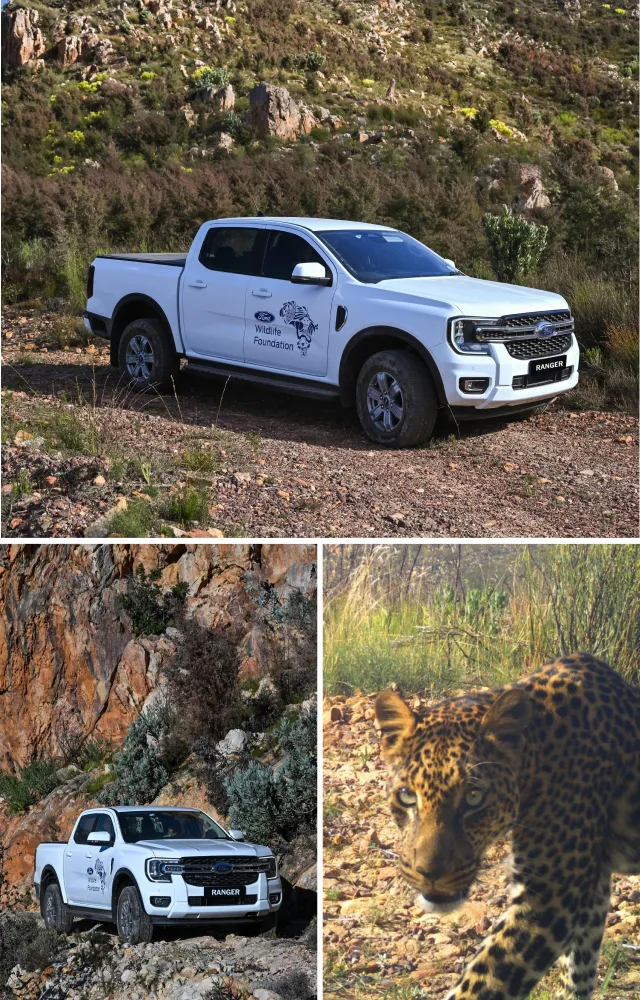
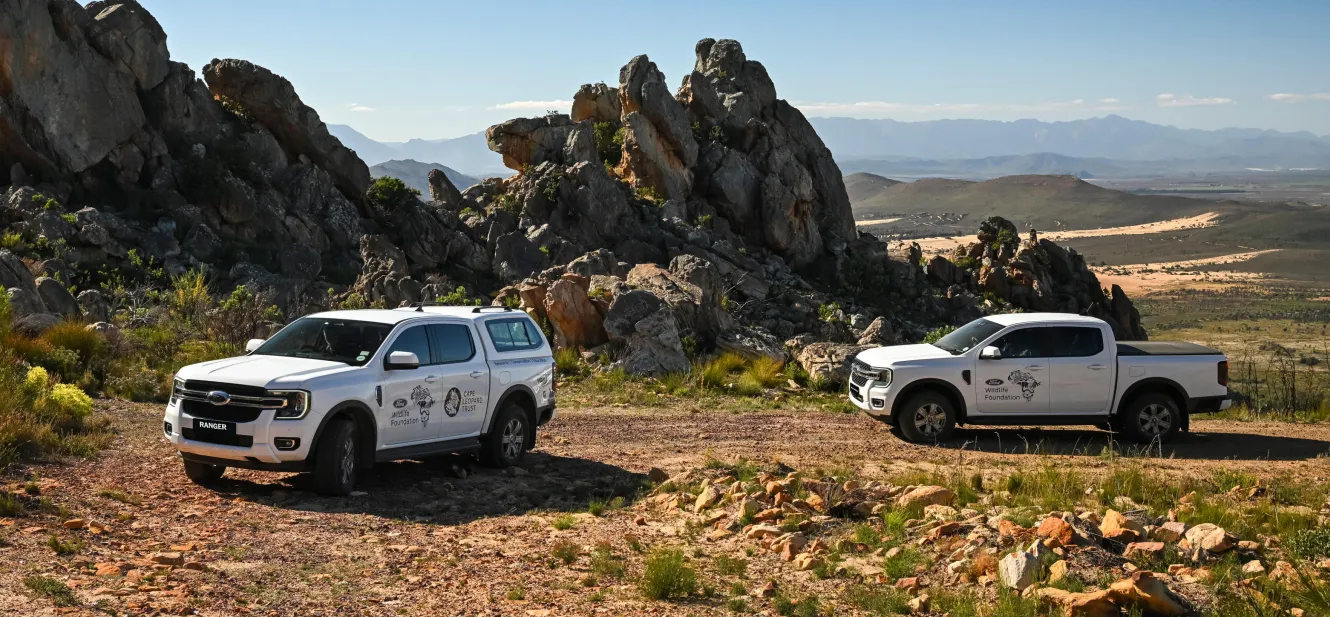
Supporting this work in remote and challenging terrain is the Ford Ranger, supplied by the Ford Wildlife Foundation, which enables CLT researchers to access rugged mountain environments and transport vital equipment for field surveys. The ongoing research highlights the uniqueness of leopards in the Cape’s fynbos region, which occur at much lower densities and have significantly larger home ranges than their savannah counterparts, requiring tailored conservation management. Through this partnership, Ford and the CLT are advancing scientific understanding, strengthening conservation strategies, and working toward a future where people and predators coexist sustainably in the region.
The Ford Wildlife Foundation (FWF) continues to support the Cape Leopard Trust (CLT), a leading environmental NGO dedicated to conserving leopards and promoting biodiversity across the Western Cape. Since its founding in 2004 to study the elusive leopards of the Cederberg, the CLT has grown into a respected organisation focused on three core pillars: research, conservation, and environmental education. Using advanced camera trap technology and rigorous scientific analysis, the organisation monitors leopard populations across key areas such as the Boland Mountain Complex, a long-term research site covering roughly 2,500 km2. The data collected contributes to important biodiversity databases and helps inform conservation policy at both regional and national levels.
Supporting this work in remote and challenging terrain is the Ford Ranger, supplied by the Ford Wildlife Foundation, which enables CLT researchers to access rugged mountain environments and transport vital equipment for field surveys. The ongoing research highlights the uniqueness of leopards in the Cape’s fynbos region, which occur at much lower densities and have significantly larger home ranges than their savannah counterparts, requiring tailored conservation management. Through this partnership, Ford and the CLT are advancing scientific understanding, strengthening conservation strategies, and working toward a future where people and predators coexist sustainably in the region.